Introduction
In emergency situations, understanding exactly how to execute mouth-to-mouth resuscitation can be a lifesaver. Cardiopulmonary resuscitation (MOUTH-TO-MOUTH RESUSCITATION) is a strategy used to revitalize somebody CPR and first aid courses - First Aid Pro who has experienced cardiac arrest or quit breathing. By offering chest compressions and rescue breaths, CPR helps to preserve blood flow and oxygenation till professional medical help arrives. In this detailed overview, we will walk you via the detailed procedure of performing mouth-to-mouth resuscitation, ensuring that you have the expertise and skills required to respond successfully in an emergency situation situation.
Understanding the Essentials of CPR: A Step-by-Step Tutorial
Performing mouth-to-mouth resuscitation calls for a combination of breast compressions and rescue breaths. The objective is to distribute oxygenated blood throughout the body, maintaining vital body organs working till medical professionals can take control of. Let's dive into each action in detail:
Step 1: Analyze the Situation
Before initiating CPR, it is vital to assess the scenario for any type of prospective threats. Make certain that both you and the sufferer are secure from any type of risks that could create injury throughout the resuscitation process.
Step 2: Look for Responsiveness
Gently tap the victim's shoulder and yell, "Are you okay?" If there is no response, continue to the next step.
Step 3: Require Help
Immediately call emergency solutions or ask a person nearby to do so. Time is crucial in a heart attack scenario, and professional medical help must look out as soon as possible.
Step 4: Open the Airway
Tilt the target's head back somewhat and lift their chin to open their respiratory tract. This helps ensure that oxygen can move openly into their lungs.
Step 5: Check for Breathing
Look for signs of normal breathing such as breast rise and fall https://thefirstaidcoursegoldcoast.com.au/first-aid-course-zoom/ or paying attention for breath noises. If there are no indicators of breathing or only gasping sounds, the target is not breathing effectively.
Step 6: Begin Upper Body Compressions
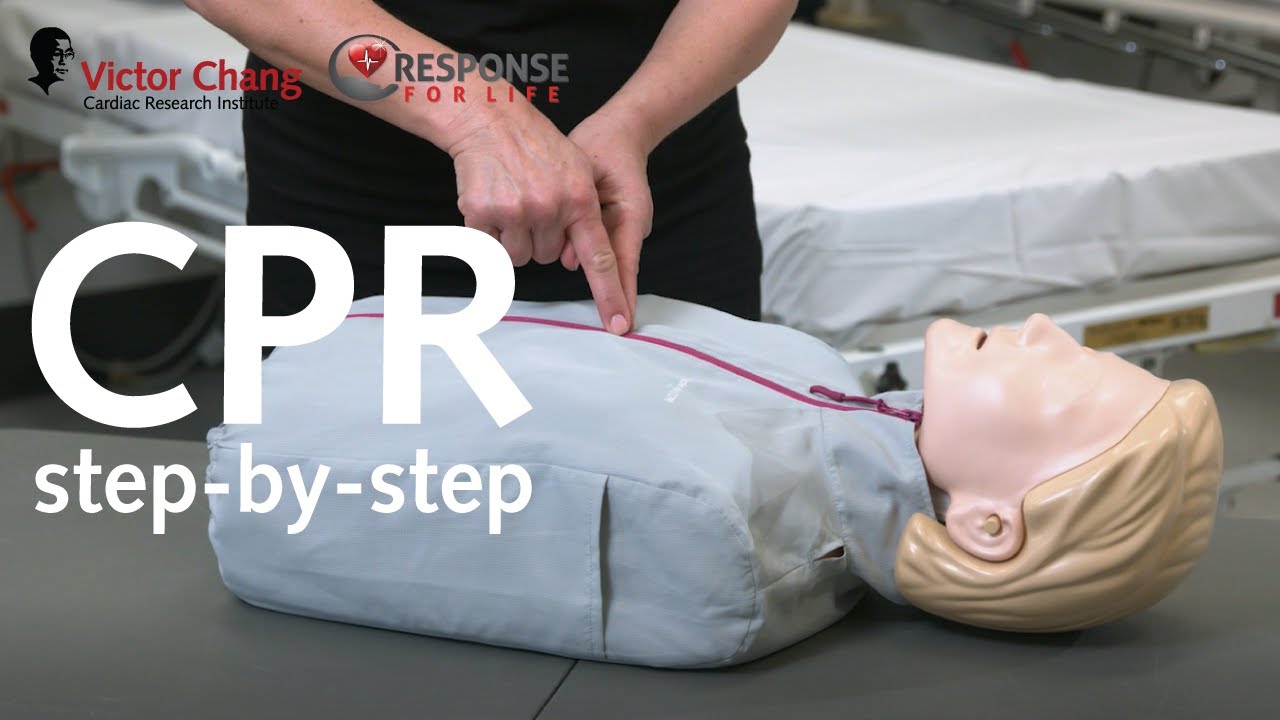
Place the heel of one hand on the facility of the target's chest, between the nipple areas. Interlace your fingers and position on your own straight over their upper body. With your arms right and shoulders directly above your hands, start compressions. Push hard and fast, aiming for a deepness of at the very least two inches and a rate of 100-120 compressions per minute.
Step 7: Give Rescue Breaths
After 30 compressions, give 2 rescue breaths. Maintain an open respiratory tract by tilting the target's head back and lifting their chin. Pinch their nose shut, develop a seal over their mouth with yours, and provide 2 full breaths lasting concerning one 2nd each. Expect noticeable breast surge with each breath.
Step 8: Continue CPR Cycles
Resume breast compressions immediately after providing rescue breaths. Repeat cycles of 30 compressions adhered to by 2 rescue breaths until First aid and CPR courses Varsity Lakes expert aid shows up or the victim shows indications of life.

FAQs about CPR
Q: What is the purpose of CPR? A: The function of CPR is to preserve blood circulation and oxygenation in a person that has experienced cardiac arrest or quit taking a breath up until specialist medical help arrives.

Q: Exactly how do I recognize if a person needs mouth-to-mouth resuscitation? A: If an individual is unresponsive, not breathing typically, or gasping for breath, they might require CPR.
Q: Can I perform mouth-to-mouth resuscitation on myself? A: No, mouth-to-mouth resuscitation needs to only be executed on a person else who needs prompt clinical attention.
Q: Is it required to execute rescue breaths during CPR? A: Rescue breaths are an important part of CPR as they offer oxygen to the lungs and raise chances of survival.
Q: Do I need to be accredited to carry out CPR? A: While accreditation is not called for to execute CPR, it is highly advised to go through a first aid training course that includes mouth-to-mouth resuscitation training. Correct training outfits you with the necessary skills and understanding to react efficiently in emergency situations.
Q: Can I create injury by carrying out mouth-to-mouth resuscitation improperly? A: While it is always best to receive correct training, doing mouth-to-mouth resuscitation, even if not done flawlessly, raises the possibilities of survival for a person experiencing cardiac arrest. Any kind of effort at mouth-to-mouth resuscitation is much better than no attempt at all.
Conclusion
Understanding the basics of mouth-to-mouth resuscitation is a critical ability that can help save lives in emergency situation circumstances. By following the step-by-step tutorial described in this write-up, you can with confidence respond to cardiac arrest or breathing emergency situations and offer instant treatment till expert medical aid gets here. Remember, undergoing an emergency treatment course that consists of mouth-to-mouth resuscitation training is highly suggested for detailed knowledge and hands-on practice. Be prepared and prepare to make a distinction when it matters most.